Group A · Unilumin UGM 3.91 mm
176 × 1000 × 500 mm straight outdoor · 128 × 500 × 500 mm 90° corner · 64 × 500 × 500 mm 45° corner · 1,464 sq ft total
 Get a quote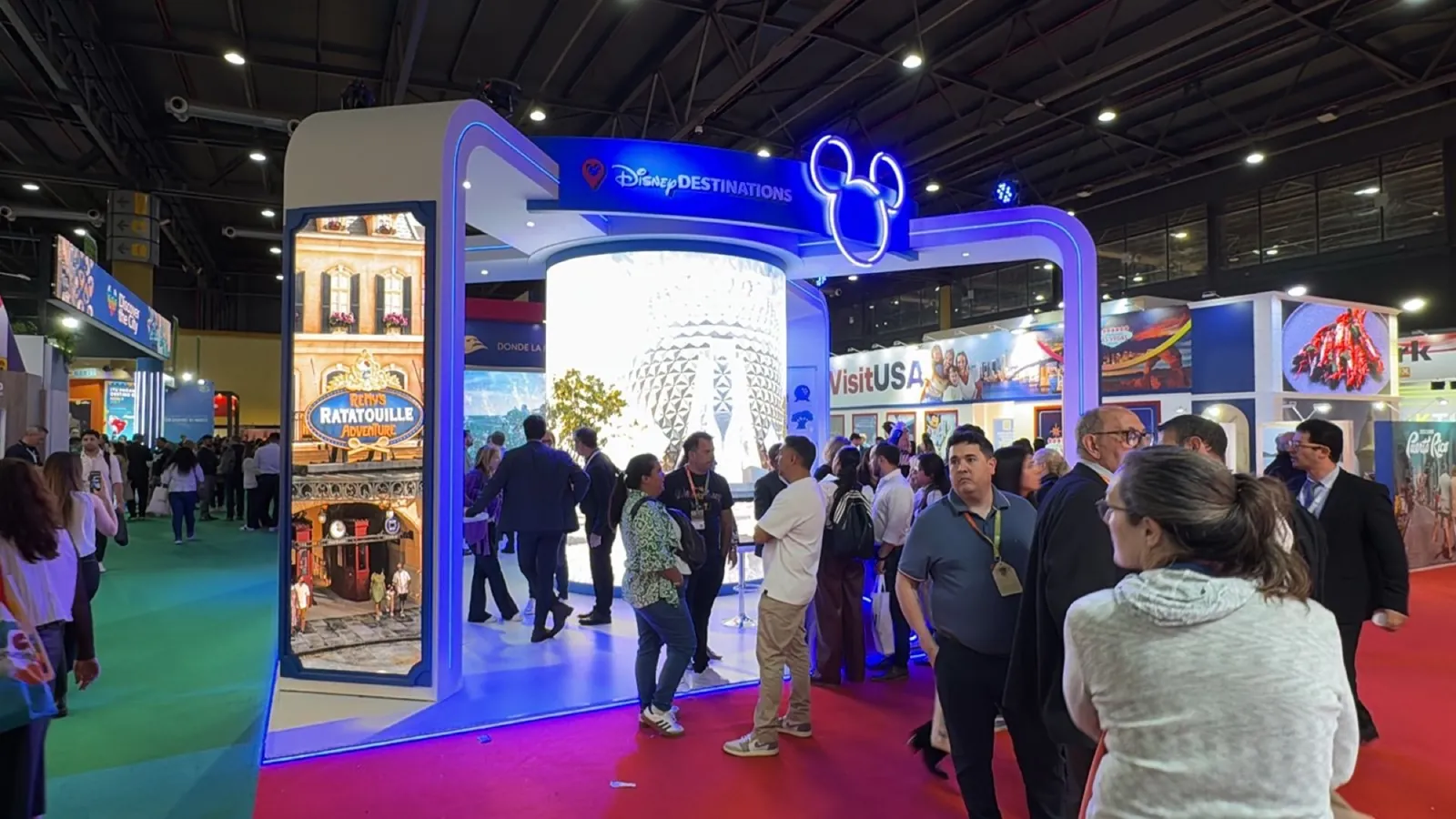
Miami rental inventory
Choose an LED screen for your event or a permanent installation. We help compare resolution, brightness, format and mounting. Rent or buy equipment, add installation, or include technical operation.
Start with an idea, a photo of the space or a content sample. We can work out the dimensions and system together, even before you have a floor plan, technical rider or selected model.
Discuss an LED screen for my eventWe sell LED screens for stores, restaurants, studios and AV companies. Buy the equipment on its own or add installation, configuration and training. From Miramar, we prepare proposals for Miami and South Florida with the model, services and availability for your project.
Ask about buying an LED screen · Questions about buying, installing and using LED
For vehicle-mounted displays, street furniture or transport signage, tell us the application and share any specifications you have. We assess the specialist product, availability and site requirements to prepare a supply option.
A completed sale: La Birra Bar in Doral. GLMedia supplied the Leyard P2.5 system for the main screen and two ceiling strips.
See the La Birra Bar installation
To start a purchase, tell us the city and what you want to display. A photo of the space or approximate dimensions helps us compare options. During planning, we review indoor, outdoor or behind-glass placement, viewing distance, resolution, support, power and maintenance access. Choose equipment supply or add installation. If you have a drawing, target budget or opening date, we can use those details in the proposal.
Ask about buying an LED screen
A purchase is planned around your equipment and installation choices. To explore an event rental, use the LED rental calculator, which estimates the systems available in that tool.
What it does
Choose indoor, outdoor or walkable LED for your event. We match pixel pitch, brightness, support and processing to the viewing distance, content and venue.
Current inventory reference
We review the units available for your dates and the combinations needed for the display.
176 × 1000 × 500 mm straight outdoor · 128 × 500 × 500 mm 90° corner · 64 × 500 × 500 mm 45° corner · 1,464 sq ft total
150 × 1000 × 500 mm straight · 150 × 1000 × 500 mm curved · 300 × 500 × 500 mm straight · 300 × 500 × 500 mm curved · 3,229 sq ft total
488 × 500 × 500 mm straight indoor · 600 × 500 × 500 mm curved · 112 × 500 × 500 mm 45° corner · 3,229 sq ft total
48 × 500 × 500 mm straight indoor cabinets · 129 sq ft total · separate family
605 × 500 × 500 mm outdoor floor cabinets · 1,628 sq ft total
50 × 640 × 480 mm indoor fixed-installation cabinets
350 × 640 × 480 mm indoor fixed-installation cabinets
78 × 650 × 365 mm indoor fixed-installation cabinets
24 × 1024 × 288 mm indoor fixed-installation cabinets
Pixel pitch, cabinet size and native pixels
Pixel pitch is the center-to-center distance between adjacent LED pixels, measured in millimeters. A smaller pitch places more pixels in the same area and can help with fine text or close viewing. We compare image size, light, cameras, content and budget to choose the system.
Cabinet resolution is the physical pixel map inside one panel. Total wall resolution is calculated from the cabinet count: columns × horizontal pixels and rows × vertical pixels. GLMedia calculates that native canvas before assigning LED processors, playback, switching and signal distribution.
| LED family | Application | Pixel pitch | Cabinet and stock | Native pixels per cabinet | Published family reference |
|---|---|---|---|---|---|
| Unilumin UGM II | Outdoor straight, 45° and 90° creative walls | 3.91 mm65,536 px/m² | 176 × 1000 × 500 mm straight 128 × 500 × 500 mm 90° 64 × 500 × 500 mm 45° | 256 × 128 at 1000 × 500 mm 128 × 128 at 500 × 500 mm | Outdoor family |
| Unilumin URM III | Outdoor straight and curved video walls | 3.91 mm65,536 px/m² | 300 × 1000 × 500 mm 600 × 500 × 500 mm 900 cabinets total | 256 × 128 at 1000 × 500 mm 128 × 128 at 500 × 500 mm | IP65 · 3,840 Hz |
| Unilumin URM III | Indoor straight, curved and 45° walls | 2.6 mm147,456 px/m² | 1,200 cabinets · 500 × 500 mm 488 straight · 600 curved · 112 corner | 192 × 192 | IP30 · 3,840 Hz |
| EsdLumen Pilot | Indoor straight video walls | 2.6 mm147,456 px/m² | 48 × 500 × 500 mm Separate cabinet family | 192 × 192 | Indoor rental family Exact batch verified during prep |
| Unilumin UDF | Outdoor-rated walkable LED floor | 5.2 mm36,864 px/m² | 605 × 500 × 500 mm | 96 × 96 | IP65 · IK10 · 3,840 Hz |
Using 500 × 500 mm cabinets: 20 cabinets wide × 10 high, with 192 × 192 pixels per cabinet.
Using 500 × 500 mm cabinets: 20 cabinets wide × 10 high, with 128 × 128 pixels per cabinet.
The labels 3.9 and 3.91 are used for the 128-pixel module geometry shown in this table. During preparation, we check the exact cabinet, receiving cards, calibration, power, processor loading and planned orientation. Protection and refresh values are references for each family; fixed-installation systems have their own construction and accessories.
The rental inventory includes P2.6 indoor LED, P3.91 outdoor and creative LED, and P5.2 walkable LED floor. Separate fixed-installation inventory includes P1.56, P1.9 and P2.5 systems. Live availability is confirmed by date.
A finer pitch places more pixels in the same area and can help with small text and close viewing. We also compare viewing distance, image size, content, brightness and budget. For cameras, we review refresh and processor settings; a distant audience may benefit more from a larger image than a smaller pitch.
We multiply cabinet columns by each cabinet's horizontal pixel count and cabinet rows by its vertical pixel count. That result determines the native canvas and helps define processors, playback outputs, switching, scaling and redundancy.
Indoor systems typically prioritize fine pitch and close viewing. Outdoor systems require the correct weather rating, higher usable brightness, site-specific support, power distribution and safety planning. The event location and exposure are verified before the system is selected.
We plan the setup together with the screen: cabinet family, dimensions, weight, point loads, floor conditions, egress, access and production schedule. A flown installation includes review of the rigging plot, manufacturer documentation, engineering and venue approval with the crew qualified for that work.
Original Unilumin hanging bumpers, one-ton chain hoists and controllers are available for compatible flown configurations. We select lifting accessories and qualified personnel for the load plan and venue requirements.
Quick-connect Unilumin ground-support components give technicians organized access behind large screens. Rear platforms and guardrails can let multiple qualified crew members work in parallel on cabinet connection, alignment, signal, power and inspection instead of waiting for one ladder or lift to move across the wall. GLMedia owns enough compatible original platform modules to position a rear service platform approximately every 2 m along an approved Unilumin ground-stacked configuration, helping distribute qualified technicians across wide builds. The modular pieces are also easier to route through hotel corridors and service elevators; where access dimensions and load limits allow, this may avoid a forklift or material lift and shorten load-in, setup and strike.
The inventory includes Tyler Truss 12×12, James Thomas Engineering 12×12, Global Truss components and ModTruss 6×6. We select compatible series, connections, lengths and quantities for each build, following the documentation for that system.
Every deployment is confirmed against cabinet family, dimensions, weight, point loads, floor conditions, egress, access, labor rules, engineering, manufacturer data and venue approval.
We plan the work area, elevator route, protective equipment and crew access together with the support system. Rear platforms can reduce moves between lifts or ladders, while the engineering and venue work plan establish the suitable access method.
Interactive planning tool
Enter width and height to see a buildable screen using 500 × 500 mm LED cabinets, approximate resolution and an initial rental estimate.
Open the LED calculator ↗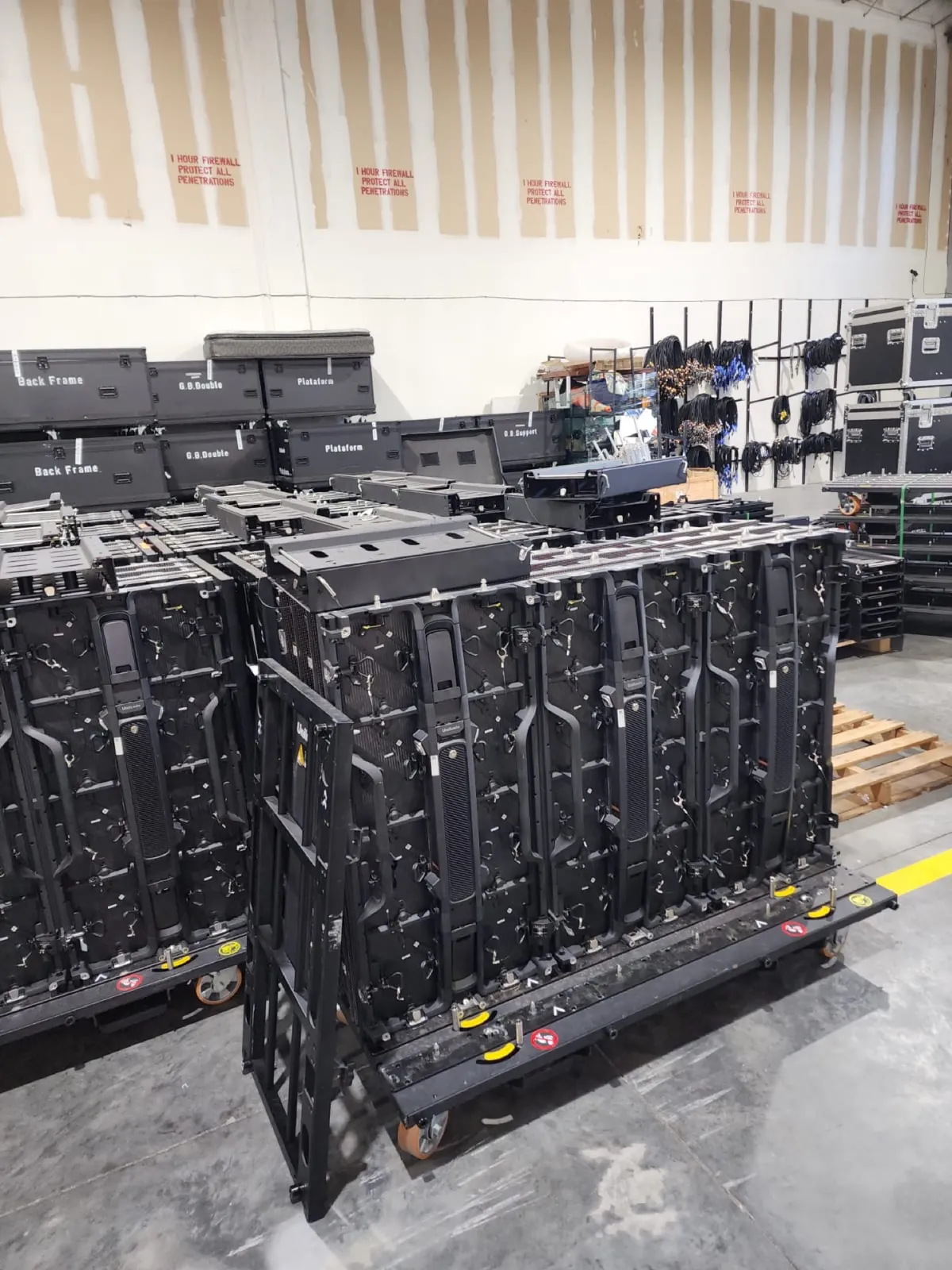
Deployment option · Compatible rental LED
For compatible screen packages, GLMedia can deploy Unilumin rental cabinets on rolling touring dollies. Groups of cabinets stay organized while they move through staging and toward the installation area.
Touring dollies are a logistics option for compatible cabinets. We review the LED family, wall dimensions, access, loading path and transportation plan to choose the handling method.
Service options and technical planning
Rent equipment for your production team, add delivery and setup, or include a technical crew for playback and operation. We can also coordinate several video needs with a GLMedia technical lead. We prepare compatibility, availability and the documentation needed for the selected configuration.
LED for your event or installation
It could be a presentation, a stage, a storefront or a shaped video surface. We help compare rental and purchase options, size, resolution and the services to put the screen to work.
Compare system specifications, applications and screen sizes in the calculator.
 URM III P2.6
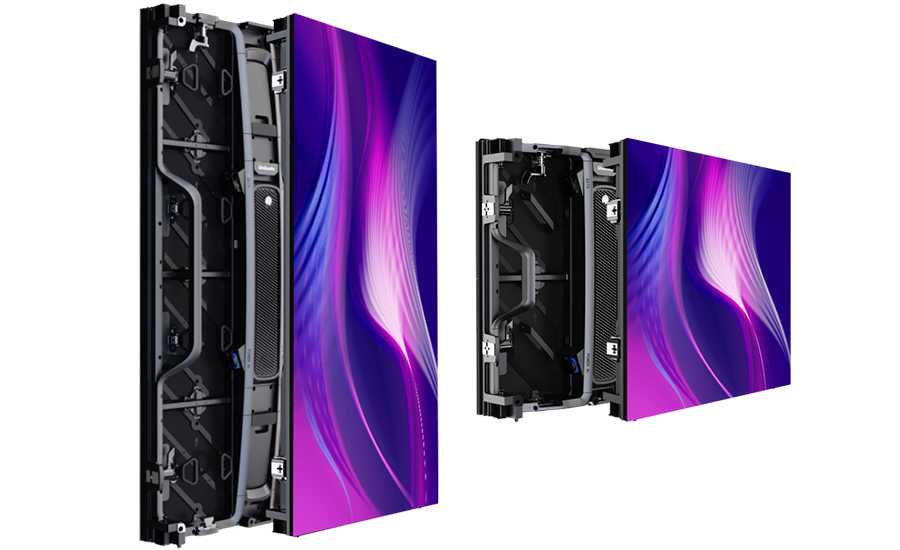
Rent Unilumin URM III P2.6 fine-pitch LED in Miami and South Florida. Straight, curved and 45-degree corner cabinets for corporate events and immersive builds.
View system →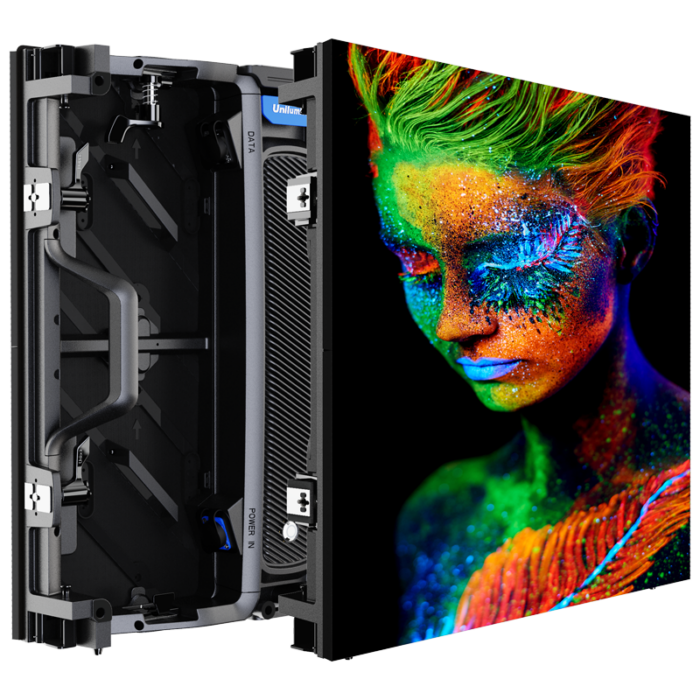 URM III P3.91
Large-format Unilumin URM III P3.91 outdoor LED rental in Miami, Broward and nationwide. Straight and curved cabinets for festivals, stages and activations.
View system →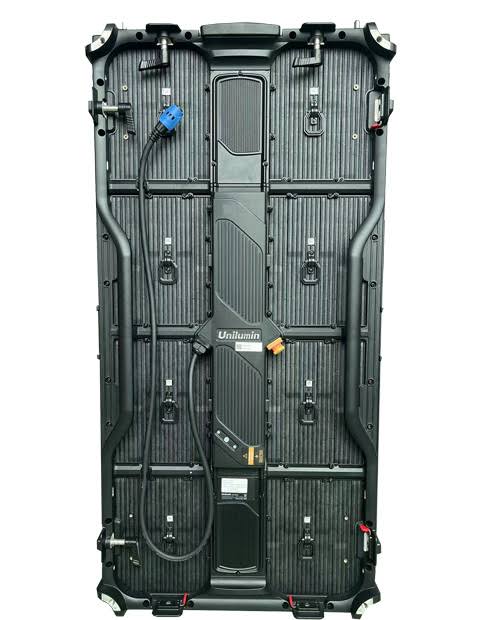 UGM II P3.91
Unilumin UGM II P3.91 outdoor LED rental with straight, 45-degree and 90-degree corner cabinets for branded structures and architectural event video.
View system →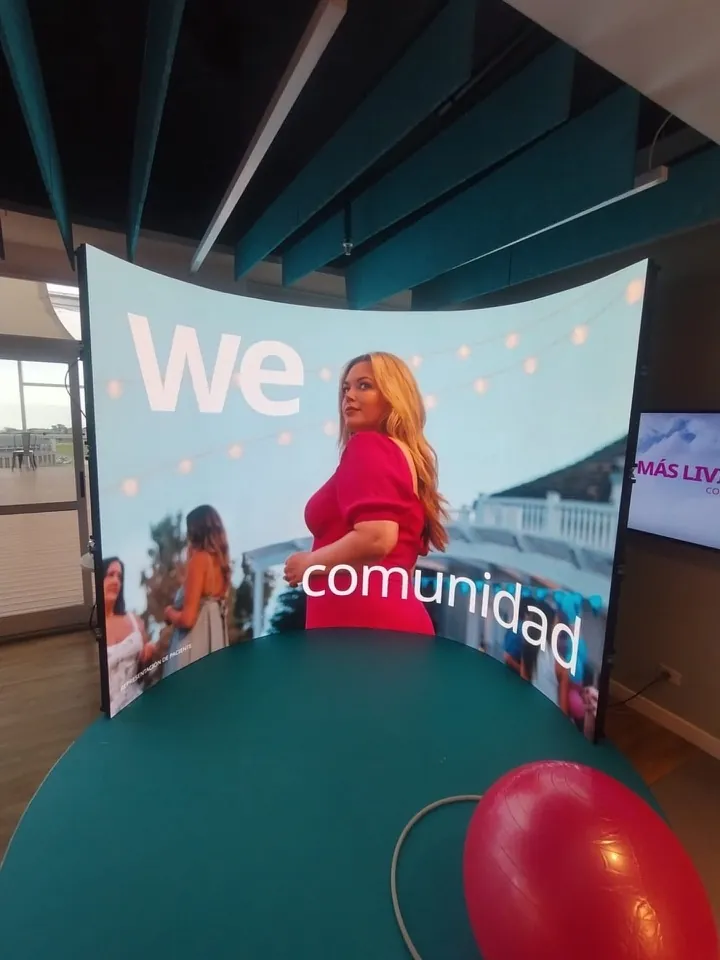 Curved and Flexible LED
Curved and flexible LED rental for scenic surfaces, columns and event environments. We confirm the exact cabinet family, geometry and availability for your project.
View system →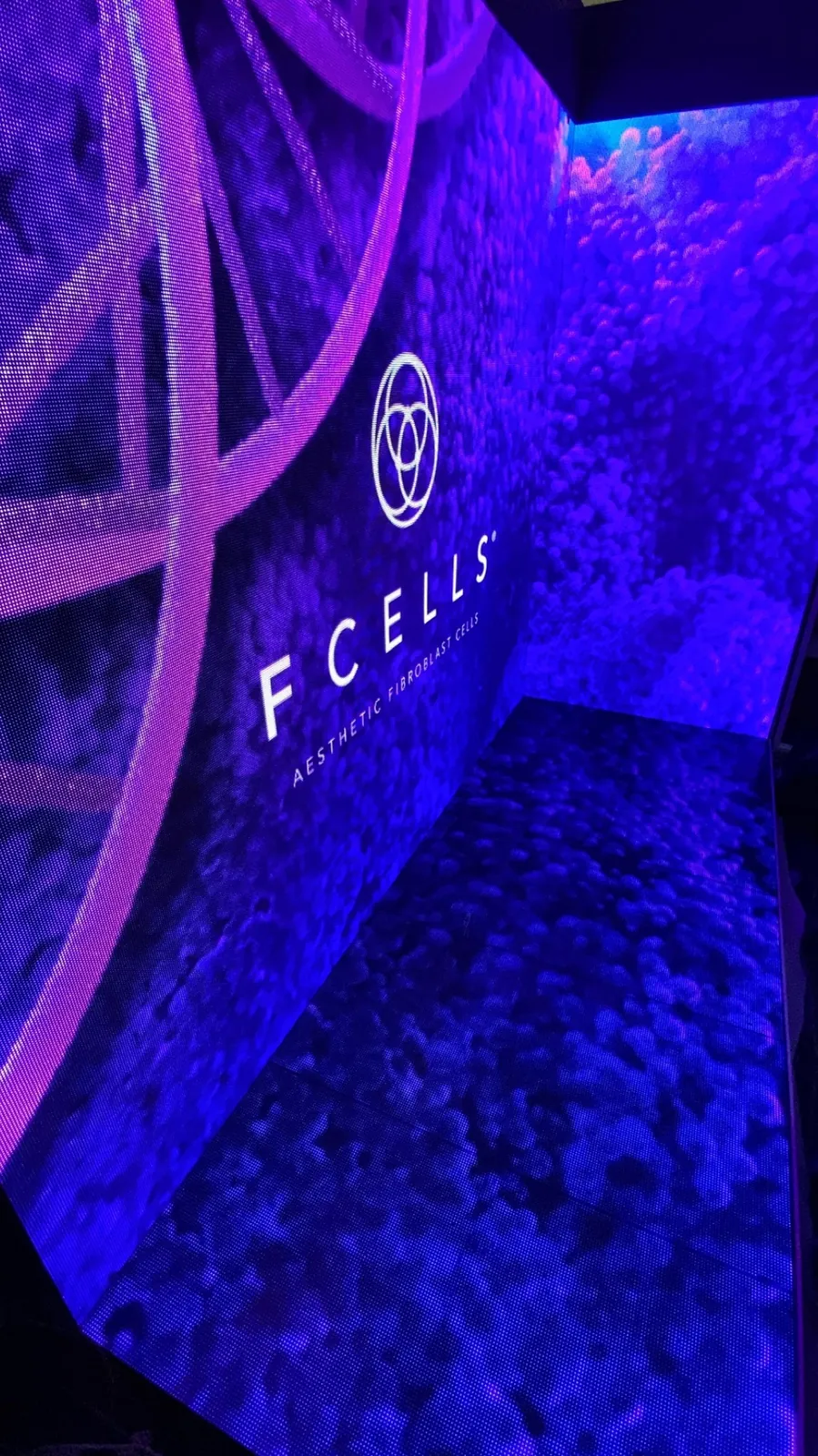 UDF 5.2
Rent Unilumin UDF 5.2 modular LED floor in Miami and nationwide. A dedicated 500 × 500 mm floor system for stages, runways and immersive activations.
View system →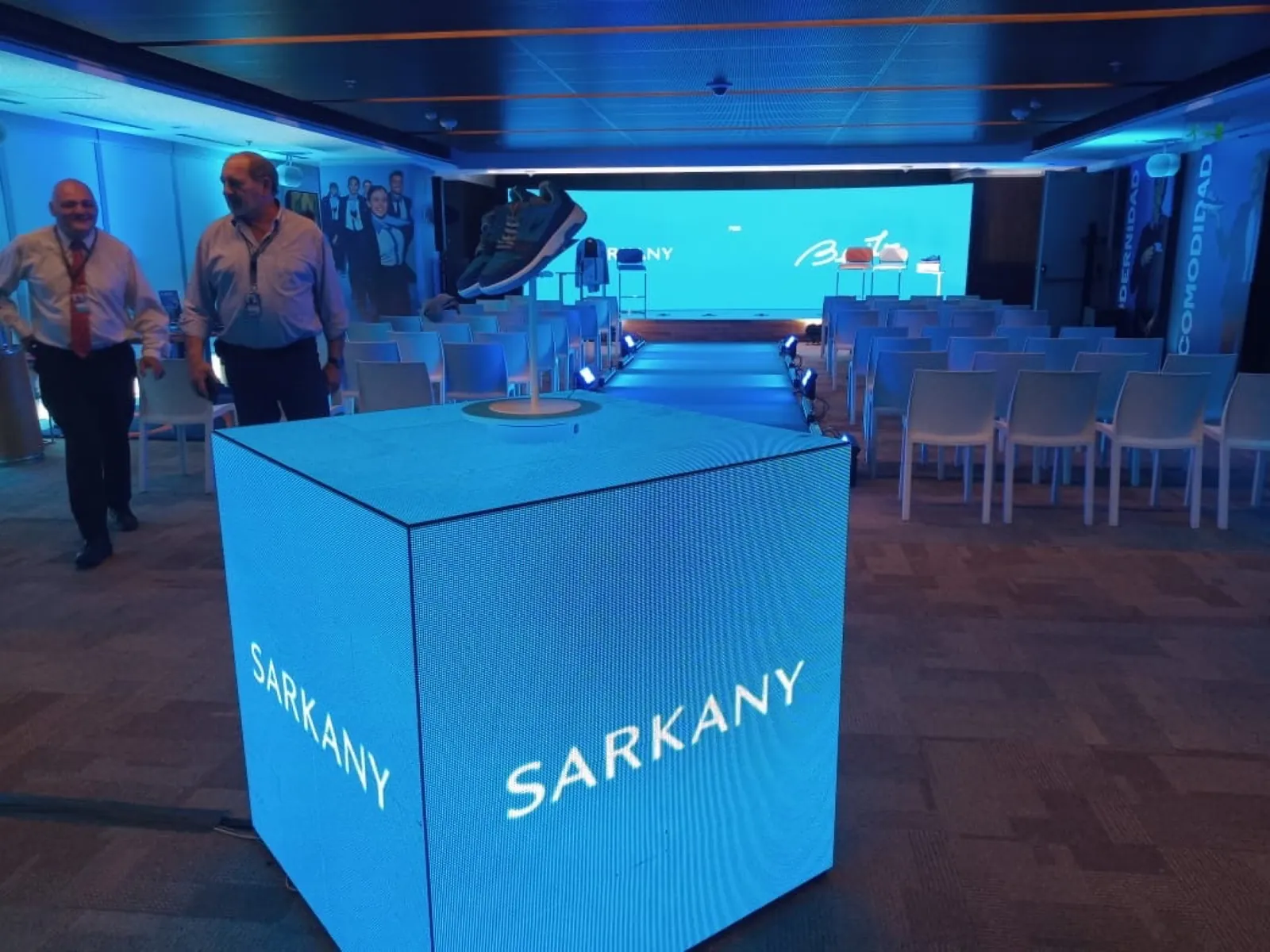 Four-Sided Modular LED Scoreboard
Four-sided modular LED displays for sports, fan events and brand presentations. Support, processing and installation are planned for the venue.
View system →Unilumin URM II P3.9 outdoor panels →
We review screen size, the farthest viewer, text size, contrast and any camera image sharing the screen. If you have a presentation sample or seating plan, we can use it; a description of the room is also a starting point. To improve readability, we compare a larger image, a clearer slide layout or additional screens as well as pixel pitch.
We choose the system for its actual exposure: rain, condensation, wind, duration of use and electrical protection. A photo of the position helps us review panels, connectors and mounting. A roof alone does not make an indoor panel suitable for outdoor use; we select equipment with the appropriate environmental protection for that application.
We help define the pixel map and playback requirements before export. Share presentations with fonts and linked media, and original video files to preserve quality. We identify the final version, order, audio and cues, then check resolution and aspect ratio. If you need editing or content creation, we can include that work and its cost in the proposal.
Both create an image from LED modules, but their construction and maintenance can differ. Event systems are built for repeated transport and assembly, with suitable locks, cases and mounting accessories. A permanent display may prioritize a shallow installation, front access or a frame fitted to the location. Tell us whether the screen will stay in place or travel between events. We select the system, support and service access, and check the model’s options for hanging, curvature and outdoor use.
Yes. Tell us what you want to display, the type of space and whether the screen is for an event or a permanent installation. A photo or content sample is enough to start. We help define size, resolution, setup and services; you can add dates, drawings or a technical rider as your plans develop.
The U.S. P2.6 inventory consists of 1,200 indoor 500 × 500 mm cabinets, covering 300 m². The straight, curved and 45° corner cabinets listed below share matching colorimetry within Group C.
| Group C · United States | Cabinets | Area |
|---|---|---|
| Straight | 488 | 122 m² |
| Curved | 600 | 150 m² |
| 45° corner | 112 | 28 m² |
| United States total | 1200 | 300 m² |
The total P2.6 inventory across the United States and Argentina is 2,000 cabinets, covering 500 m². The remaining 800 cabinets, covering 200 m², are in Argentina. Availability for your event date is confirmed when quoting.
Yes. Buy equipment for your crew to install or add GLMedia installation, configuration and training. We work with your team to plan the structure, power and signal cabling the system needs. The proposal details the model, controller, accessories, technical handover and selected installation tasks so your team can organize the build.
The cost combines the display, processing, cables, support, spares and the services you choose. For the same dimensions, resolution, indoor or outdoor use, controller and installation method affect the total. We detail delivery, taxes, installation and training so you can compare the complete system and what it needs to operate. Approximate dimensions and the intended use are enough to start exploring options.
Consider mesh when seeing through the display or preserving an open scenic or architectural surface is part of the design. For detailed text viewed up close, a solid fine-pitch wall may be a better fit. Ask to compare the intended content at the planned viewing distance and light level. Transparency and curvature describe different properties: a transparent product may also support curved construction.
Transparency depends on the product, the light on both sides and the content. The open-area percentage describes the physical gaps between LED elements, which stay the same as the video changes. To assess a storefront, compare a sample or demonstration using content similar to yours from both sides, including the visibility of supports, power supplies and cables.
For outdoor use, we select a model designed for that exposure. We review product documentation, connectors, power and mounting together with wind, drainage and maintenance access. Transparency or an overhead canopy alone does not establish outdoor suitability. Behind glass, we also assess temperature and the equipment’s permitted operating conditions.
We can assess the storefront with you. Front and inside photos help locate the screen, power, signal and maintenance access; we work out dimensions during planning. We review attachment points and support capacity rather than assigning loads to glass by assumption. For leased premises, we coordinate the mounting proposal with the work permitted by the owner before installation.
Mesh can work well for large shapes, animation and images viewed at a distance. For prices, menus or small text, we compare resolution and contrast at the reading distance. A sample menu or advertisement helps us evaluate the result. If close reading is the main purpose, we can also compare a solid fine-pitch LED display or a commercial monitor.
We plan access for each component: LED modules, power supplies, receiving cards and cables. A front-removable module can sit alongside parts that need rear access. Before wall mounting, we check how each part comes out and where the technician will work, integrating that space with the display and surrounding finishes.
No. The input format and the number of physical pixels are separate. Native resolution comes from the pixels in each cabinet multiplied by the columns and rows installed. We check that calculation against the content and viewing distance, then size the controller outputs accordingly. For a small display viewed closely, a commercial monitor may be a more practical option than an LED wall.
No. Surface protection or GOB encapsulation alone does not make a panel a load-bearing floor. The screen and its support must be designed for floor use, with the proposed loads and access considered. If you want the visuals to react to footsteps, specify that at the start: sensors and an interactive playback system are additional design choices, not features of every LED floor.
We can plan a purchase around future expansion. We review the sizes you want to build, spares and accessories, and retain the model, batch and configuration files. When adding cabinets later, we check fittings, electronics, calibration and color consistency with the existing system so expansion is based on verified compatibility.
Your team can do that using the player and upload method selected for the installation. Tell us whether you plan to use a computer, load files locally or schedule content remotely. We review internet access, user permissions and any required licenses. Handover can include a test with your files and training. Graphic design, video editing and routine content updates are separate services that can be quoted when needed.
The proposal identifies the model, destination, delivery time, spares and warranty applicable to the purchase. We explain the support channel and how to handle a failed part. We also detail commissioning, service visits and repair transport, showing what is included and any applicable costs so you can plan the system’s maintenance.